Few things change as unexpectedly after stoma surgery as your relationship with your wardrobe — and pants are the heart of it. Where does the waistband sit now? Will jeans press on the stoma? Can you ever wear a suit again? The good news: with a few smart choices, almost every style is back on the table. Here is the practical guide to pants and trousers with an ostomy.
The Golden Rule: It's All About the Waistband
The single most important question for any pants with an ostomy is where the waistband lands. There are two comfortable answers:
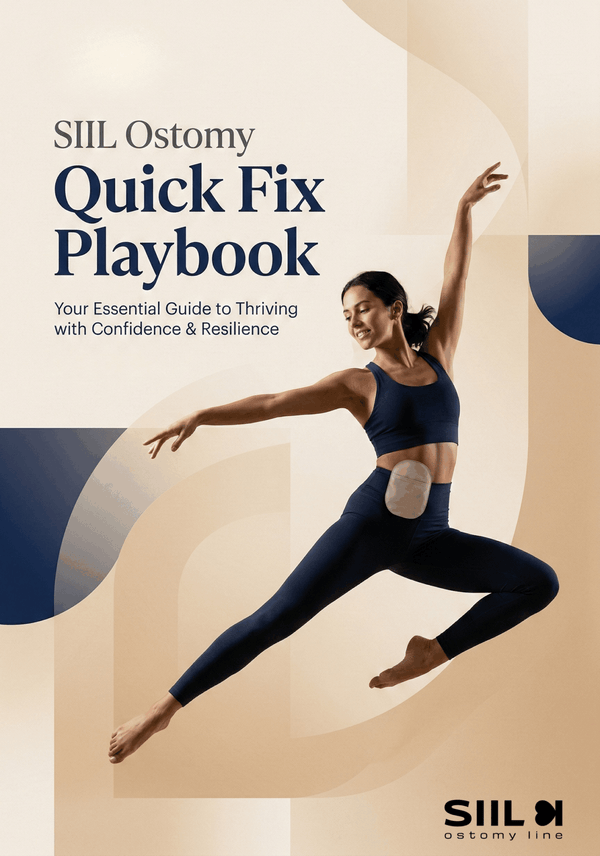
- High-waisted — the waistband sits well above the stoma, so the pouch sits inside the pants, gently supported. This is the most popular choice and works with jeans, chinos, dress trousers and leggings.
- Low-rise / under the stoma — the waistband sits below the stoma and the pouch hangs over it, inside a longer top. Some people with lower stomas prefer this.
What rarely works is a waistband directly ON the stoma. If your favourite pants land exactly there, a soft support belt or high-waisted supportive underwear creates a protective layer that makes them wearable again.
Guida gratuita · Un regalo di SIIL
Le guide SIIL per la stomia — gratis per te
Guide pratiche scritte con la nostra community di oltre 50.000 stomizzati — più un codice di benvenuto del 15%.
Jeans with an Ostomy
Yes, you can wear jeans. Look for higher rises, a touch of stretch in the denim, and softer waistbands. Wearing supportive high-waisted underwear underneath keeps the pouch flat and protected from the thicker denim seams. Many ostomates go one size up in rigid denim — or simply choose stretch styles and keep their usual size.
Office and Dress Trousers
Pleated fronts and stretch-waist dress trousers are your friends: they give the pouch room to fill without showing. A dark colour and a slightly relaxed fit hide any outline completely. If you tuck in your shirt, an ostomy wrap smooths everything under the fabric.
Leggings, Joggers and Comfort Styles
Soft elastic waistbands are naturally ostomy-friendly — the question is support. Thin leggings alone can let a filling pouch sag or swing. High-waisted compression-style leggings, or regular leggings over supportive ostomy underwear, give the security that makes long walks and workouts feel normal.
For Men: Belts and Waistbands
A traditional belt pressing on the stoma is the most common complaint from men. Three fixes: wear trousers slightly higher or lower than the stoma line, switch to elastic-waist or side-adjuster trousers, or wear a soft ostomy support belt that holds the pouch flat so the trouser belt no longer matters. Braces (suspenders) are an elegant classic that solves the problem entirely.
For Women: Dresses, Skirts and High-Waist Everything
High-waisted styles are having a moment, which makes ostomy dressing easier than ever: mom jeans, paper-bag trousers, A-line skirts and wrap dresses all sit beautifully over a pouch. Seamless high-waisted underwear underneath keeps everything smooth and secure.
Practical Checklist Before You Buy
- Waistband clearly above or below your stoma — never on it
- A little stretch in the fabric or waistband
- Room for the pouch to fill (test sitting down, not just standing)
- Darker colours and patterns hide outlines best
- Supportive underwear or a wrap underneath doubles your options
Frequently Asked Questions
Do I need special ostomy pants?
Not necessarily — most people combine regular pants with supportive ostomy underwear or a wrap underneath. That combination turns almost any pants in your wardrobe into ostomy-friendly pants.
Can the pouch go inside or outside the waistband?
Both work. Inside (with high-waisted pants) feels more secure and invisible for most people; outside (with low-rise) can be more comfortable with low stomas. Try both and let comfort decide.
What about swimwear and sport shorts?
The same waistband rule applies — and purpose-made ostomy swimwear adds an internal pocket and support panel for the water.
Every body and every stoma is different — these are community-tested starting points, not medical advice. Your stoma nurse knows your situation best.